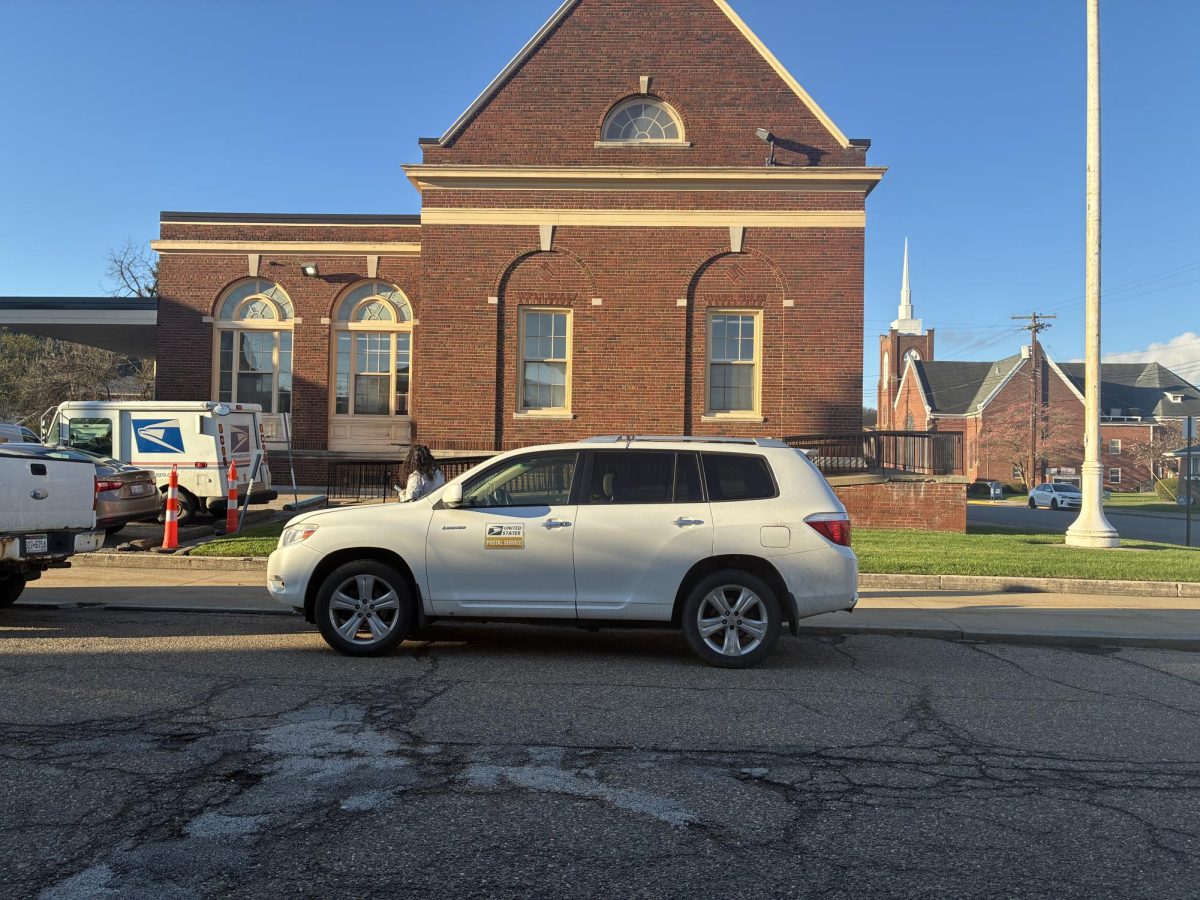

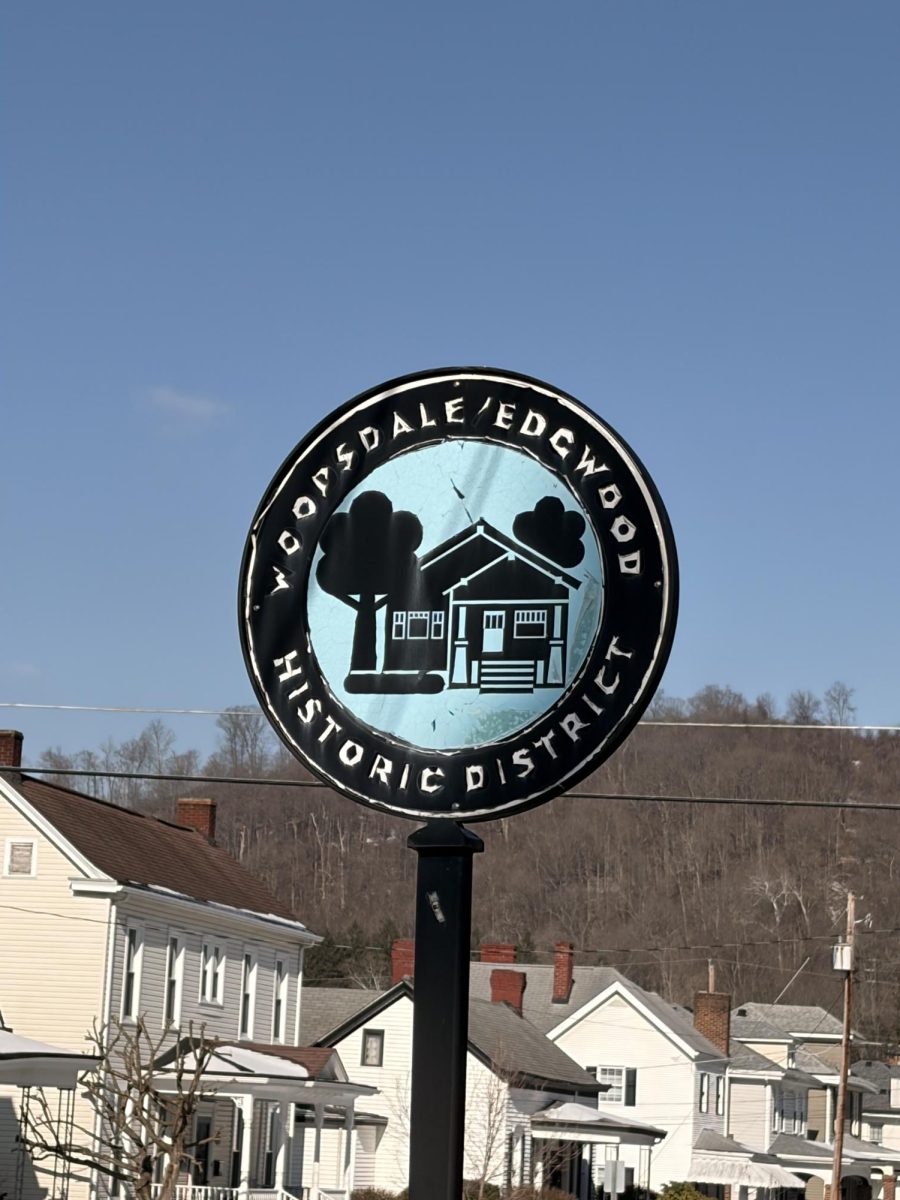
Each day, the over 26,000 people who live in Wheeling, West Virginia, walk or drive in streets and neighborhoods with a history they have no clue about. From Woodsdale to National Road, this city that was built by people looking for new opportunities has a past that isn’t talked about enough.
Wheeling Park High School’s History of Wheeling teacher, Mr. Stanton, discusses the importance of the National Road that goes through Wheeling, along with Interstate 70, which first came through Wheeling in 1955.
“The National Road was America’s first highway that came through Wheeling and brought a lot of people and really helped us grow a community. When you were travelling on the National Road and going west to conquer and claim new lands, Wheeling was your last civilized town to really stop at. Interstate 70 still keeps us very relevant on the map today because we have so many people coming through our area. They see it, they stop, they stay, they visit our local establishments, restaurants, businesses, and things like that. Interstate 70 is just as important today for us,” said Mr. Stanton.
Mr. Stanton also explores how some suburbs in Wheeling looked a lot different back in the day than they do now due to the growth of this city we call home.
“As Wheeling grew as a community, we needed to expand ourselves. That’s why you have different little suburbs of Wheeling, like Woodsdale and Dimmydale. The National Road helped expand those neighborhoods and provide access, but also, originally, a lot of those neighborhoods started as just farmland. A lot of times, it was sold off in individual lots to create those neighborhoods that still use the names of those founders,” said Mr. Stanton.
An example of this was Woodsdale. Woodsdale used to be farmland owned by Archibald Woods, a Revolutionary War veteran from Virginia who passed in 1846. The suburb of Woodsdale was founded in 1888 and developed from a simple farmland into the residential district we know today.
Freshman Sadie Murphy, who recently moved to Wheeling from Long Island, New York, reflects on how special the home she lives in truly is.
“I originally came here from Long Island, so that was definitely a big cultural shock, but I think the best part of coming here is my house itself. It’s a part of history, and it relates to the Stifels, which is a big part of our community. I didn’t realize how big that really was until we moved here and how the house connects with the Stifle Center and all the school and buildings around. Our house is over 100 years old, and it used to be called Stamm Inn. It was just a place where people from the war could come to rest. There had been big speeches in that inn, and it’s just served as a historical place in Wheeling,” said freshman Sadie Murphy.
Today, Wheeling is slowly improving with the Wheeling Streetscape Project. Landmarks such as Center Market, the Heritage Port, and the Wheeling Suspension Bridge have all changed for the better in recent years. They show where this city can go in the future, as a modern-day “Gateway to the West,” which it was labeled in the 19th century.
If you are a student at Wheeling Park High School who is interested in this topic or the history of Wheeling in general, you can partake in the History of Wheeling class taught by Mr. Stanton.